Topic: data
31 stories found
Today
A framework for recipe data structure with applications for culinary and nutritional insights
A new framework for structuring recipe data has been proposed to make cooking processes computationally usable while preserving culinary and nutritional insights. This development aims to transform free-text recipes into structured data, enhancing applications in areas such as personalized nutrition and automated meal planning.
Yesterday
ggml/llama.cpp releases: b11081
The ggml/llama.cpp project released a new version with updates to make tensor data standard deviation configurable and added more examples to the documentation, enhancing flexibility and usability for developers. These changes are significant as they improve the toolkit's adaptability and user-friendliness in handling large language model architectures.
HERMES: Contrast-Aware Knowledge Graph Reasoning from Clinical Notes for Patient Outcome Prediction
A new approach called HERMES enhances patient outcome prediction by processing clinical notes in a contrast-aware manner within knowledge graphs, offering a more structured representation than previous methods that treated notes as flat sequences. This matters because it could improve the accuracy of predictive models used in healthcare by better capturing the nuances and relationships in unstructured medical text.
Saturday, September 19, 2026
Meta Launches Muse for Mac: A Personal AI Agent That Works Across Your Files, Mail, Messages, Calendar and Notes
Meta has introduced Muse for Mac, an AI assistant designed to enhance productivity by integrating with various files, applications, and personal data across the user's desktop. This launch expands Meta's AI agent ecosystem, bringing it to a new platform and potentially revolutionizing how users manage their digital tasks and communications.
Friday, September 18, 2026
Sampling Reveals Style: Unsupervised, Training-Free Discovery of Prompt-Conditional Stylistic Axes in LLM Activations
A new method allows the discovery of stylistic variations within large language models' responses without needing supervised data or training, highlighting key stylistic dimensions based on prompts. This breakthrough could enhance understanding and control over how LLMs generate text in different styles.
Thursday, September 17, 2026
Introducing Astra for Law
Astra for Law, a new tool from OpenAI, offers advanced legal intelligence, customized workflow solutions, integrated data access, and robust security measures to enhance law firms' productivity and confidentiality in handling sensitive cases. This platform is crucial as it aims to modernize legal practices by providing cutting-edge technology tailored specifically for the legal sector.
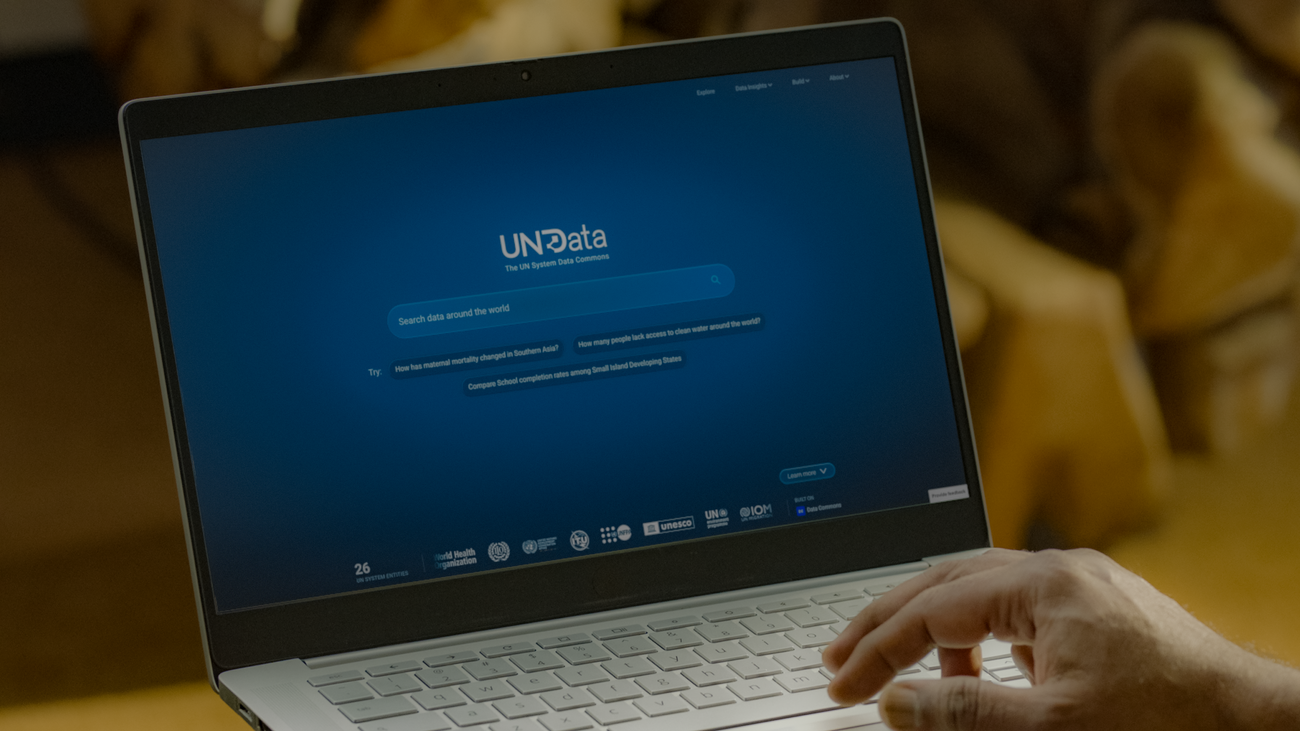
Making global data easier to explore
Google and the UN system launched the UN System Data Commons, an open platform that makes global statistics more accessible and searchable. This initiative aims to facilitate easier exploration of data, enhancing research and policy-making processes globally.
Infinite-Parameter LLMs: Generating and Adapting Weights from Live Data
Researchers have developed infinite-parameter language models that can generate and adapt weights from live data, significantly enhancing model flexibility and responsiveness to real-time information. This breakthrough could revolutionize how AI adapts in dynamic environments, improving applications like chatbots and predictive analytics.
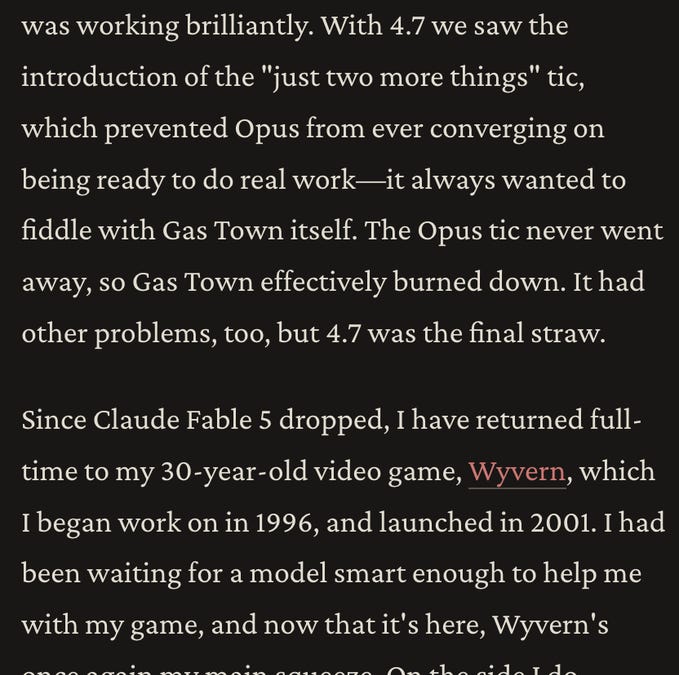
[AINews] Reality Checks on AI News (Yegge shuts down Gas Town, Databricks’ +60% Astra cost)
Paul Yegge's shutdown of Gas Town and Databricks' acquisition of Astra for a 60% premium highlight the realities in AI startups, tempering optimistic expectations.
Think Before You Comfort: Reflective Cognitive Alignment for Protocol-Grounded Elderly Stimulation Agents
A new protocol aims to enhance the scalability of Cognitive Stimulation Therapy (CST) for elderly individuals with cognitive impairments by reducing dependency on trained facilitators and addressing data scarcity issues. This advancement is crucial as it could broaden access to non-pharmacological support while respecting privacy concerns.
31 of 31 items shown. Sources: 123 days indexed.