News — 2026-07-29
30 stories
Wednesday, July 29, 2026
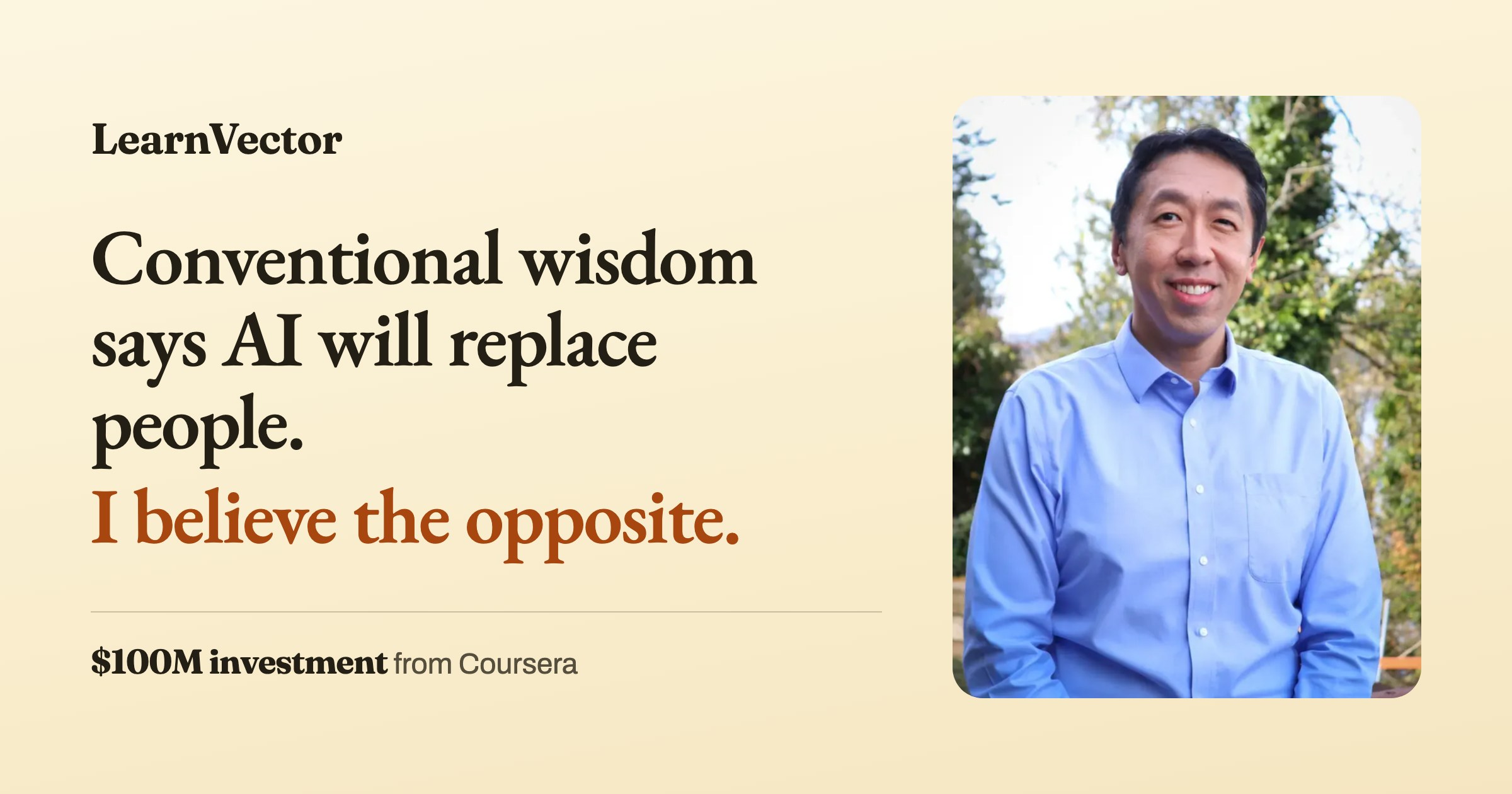
LearnVector – Andrew Ng's AI company building one‑to‑one learning experiences
Andrew Ng's AI company, LearnVector, is developing personalized learning experiences to enhance individualized education. This initiative aims to leverage AI for more effective and tailored educational outcomes, addressing the need for adaptive learning systems in modern education.
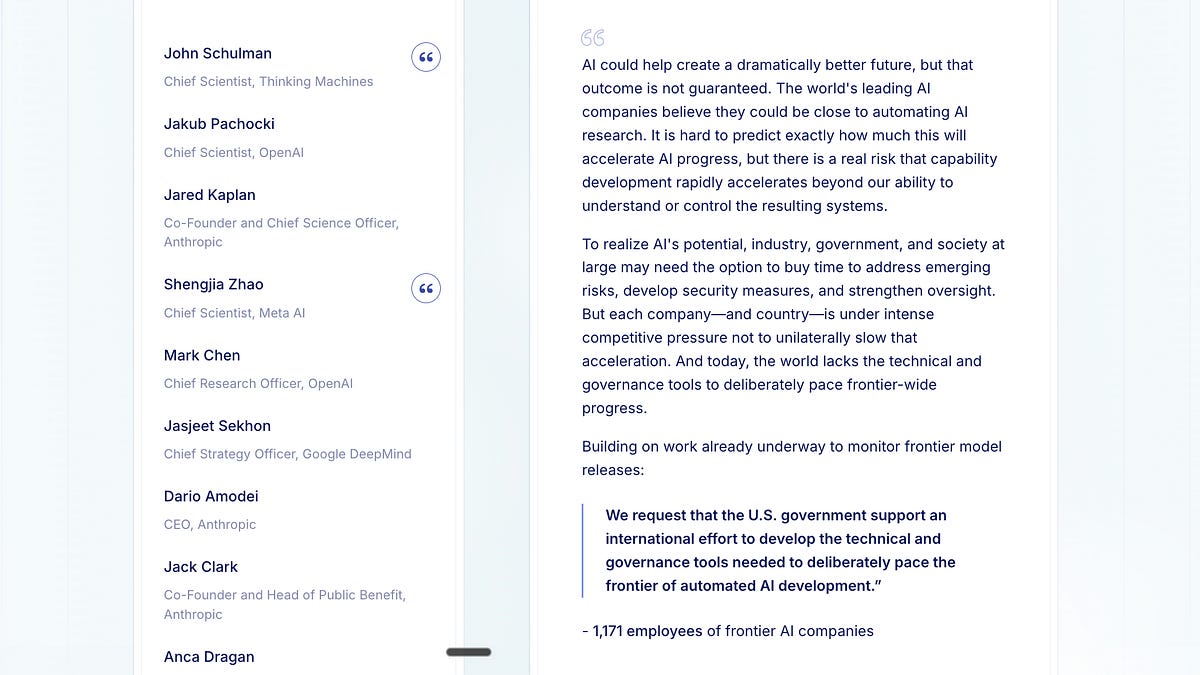
[AINews] Fearing RSI: OpenAI, Anthropic, GDM, Meta, Thinky cosign letter to "Pace" AI development, as HuggingFace details Machine-Speed Offensive Cyberattack
Tech giants including OpenAI and Anthropic have jointly signed a letter calling for a pause in AI development to address risks. Meanwhile, HuggingFace revealed it was targeted by a cyberattack aimed at slowing down progress in the field.
TimeCapsule: Generative Hallucination as a Method for Historical Sensemaking
TimeCapsule is a new method using a large language model to address the temporal bias in contemporary training data, making these models unreliable for historical contexts. The researchers developed TimeCapsule, a 1.2B-parameter model, to better handle historical sensemaking by reducing present-day concept encoding.
Tuesday, July 28, 2026
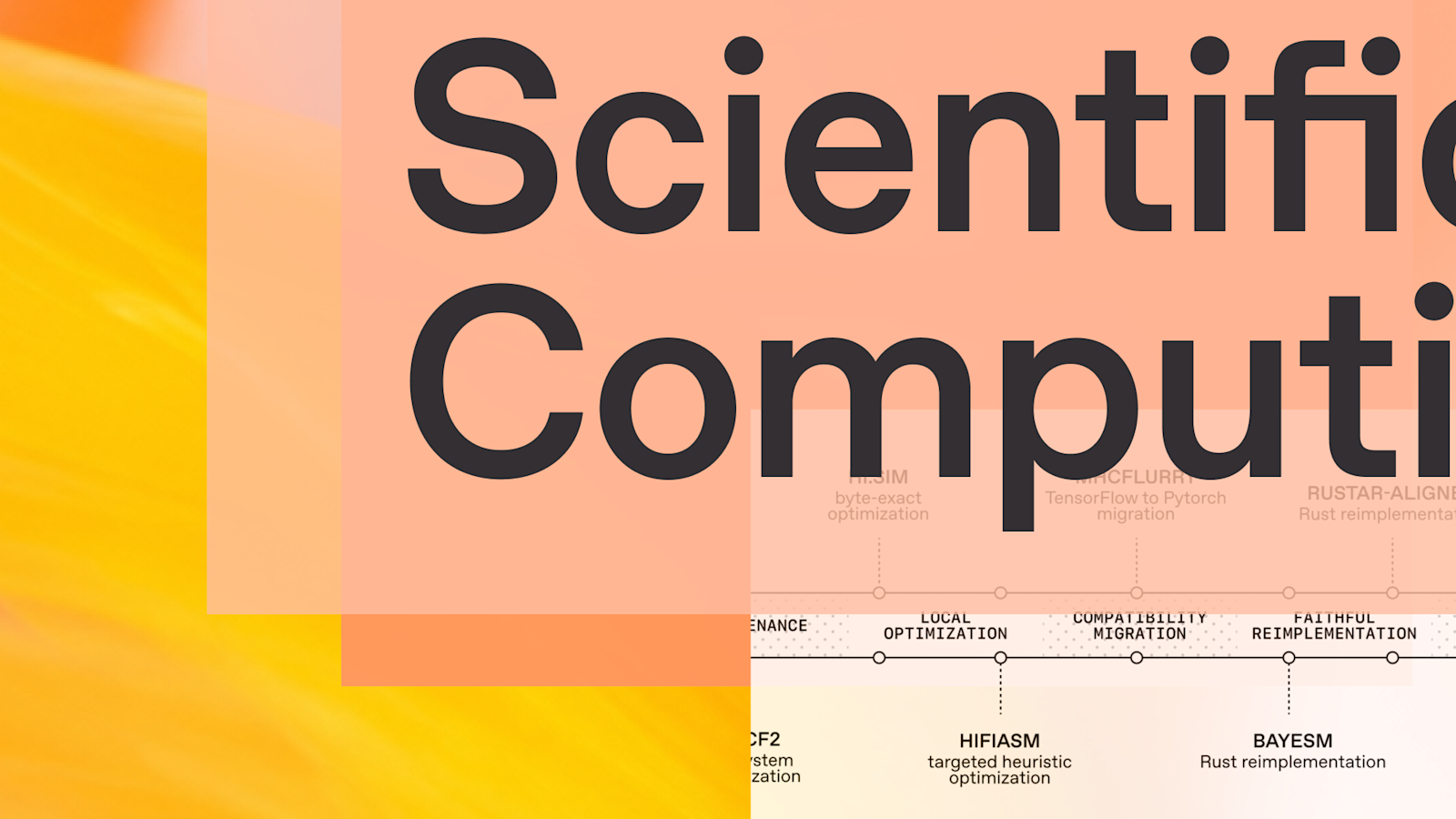
Scientific computing in the age of agentic AI
Scientists are leveraging AI coding agents to enhance scientific computing, particularly in genomics, speeding up software development and discoveries. This advancement is crucial as it modernizes research processes and could significantly impact various fields of science.

Gemini API Managed Agents: 3.6 Flash, hooks, and more
Gemini API has released updates to its Managed Agents, adding new features like Flash and hooks. These enhancements aim to support developers in creating robust, production-level agents.
Now is the time to give LLMs access to the ACM digital library
The article argues for granting large language models (LLMs) access to the ACM digital library to enhance their understanding of computer science literature, emphasizing that such access could significantly improve the accuracy and relevance of AI-generated content in this field. This matter is crucial as it impacts the advancement of AI research and its integration into professional computing practices.
Google's Beyond Zero: Enterprise Security for the AI Era
Google launched "Beyond Zero," an enterprise security initiative aimed at protecting businesses in the age of artificial intelligence, emphasizing the growing threats posed by AI-driven cyberattacks. This program is crucial as companies increasingly integrate AI into their operations, highlighting the need for robust security measures to safeguard against new vulnerabilities.

Codex from 0 to 10M Users: Building ChatGPT Work — Akshay Nathan, OpenAI
OpenAI is expanding ChatGPT with features like AGI accessibility and no-code tools to reach 10 million users, aiming to make advanced artificial intelligence more widely available. This effort is crucial as it could democratize access to powerful AI technologies, potentially transforming various industries and daily life.
ggml/llama.cpp releases: b10172
ggml-webgpu updates address binding alias issues and overlapping range problems across different architectures, ensuring compatibility and stability. These fixes are crucial for maintaining the project's reliability across various computing environments.
30 of 30 items shown. Sources: 123 days indexed.