Docker vs mașină virtuală: trade-off-ul real din spatele hype-ului
Docker și mașinile virtuale rezolvă probleme diferite, nu aceeași problemă mai rapid. Iată care e trade-off-ul real — granița de izolare versus overhead-ul de kernel partajat — și cum alegi în funcție de constrângerea ta, nu de o modă trecătoare.
Docker vs mașină virtuală: trade-off-ul real din spatele hype-ului
TL;DR: containerele Docker partajează kernel-ul gazdei; VM-urile virtualizează o mașină întreagă, inclusiv propriul kernel. Diferența asta arhitecturală, una singură, e toată povestea. Tot ce se citează despre „Docker e mai rapid” sau „VM-urile sunt mai sigure” decurge direct din ea. Nu există o opțiune universal „mai bună”, ci doar granița de izolare potrivită pentru constrângerea ta specifică.
1. Diferența arhitecturală, nu diferența de marketing
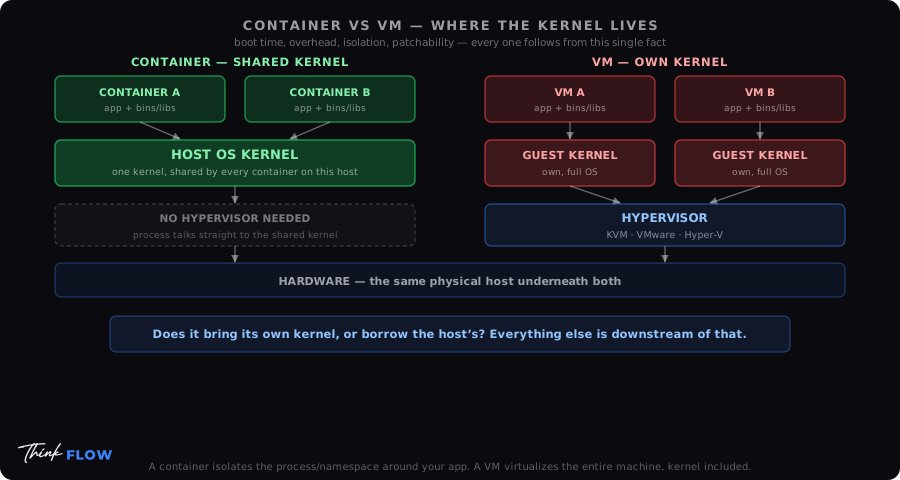
O mașină virtuală rulează propriul sistem de operare complet, deasupra unui hypervisor (VMware, KVM, Hyper-V): propriul kernel, propriile drivere de dispozitiv, totul propriu. Un container partajează kernel-ul mașinii gazdă și izolează doar namespace-ul de proces, filesystem și rețea din jurul aplicației tale.
Asta e întreaga distincție. Fiecare consecință practică (timpul de boot, overhead-ul de resurse, tăria izolării, capacitatea de a aplica patch-uri) decurge din întrebarea „aduce cu sine propriul kernel sau îl împrumută pe cel al gazdei”.
Iar asta contează tot mai mult acum: pe măsură ce workload-urile de inferență AI împing spre modele tot mai mari și un număr tot mai mare de iterații, costul de a ridica un mediu pentru fiecare rulare de training sau fiecare replică scalată se plătește mult mai des decât înainte. Un container cu kernel partajat evită repornirea unui OS la fiecare pornire; o VM reface acea muncă de fiecare dată, pentru că izolarea la acel nivel o impune.
2. Ce diferă cu adevărat, și de ce
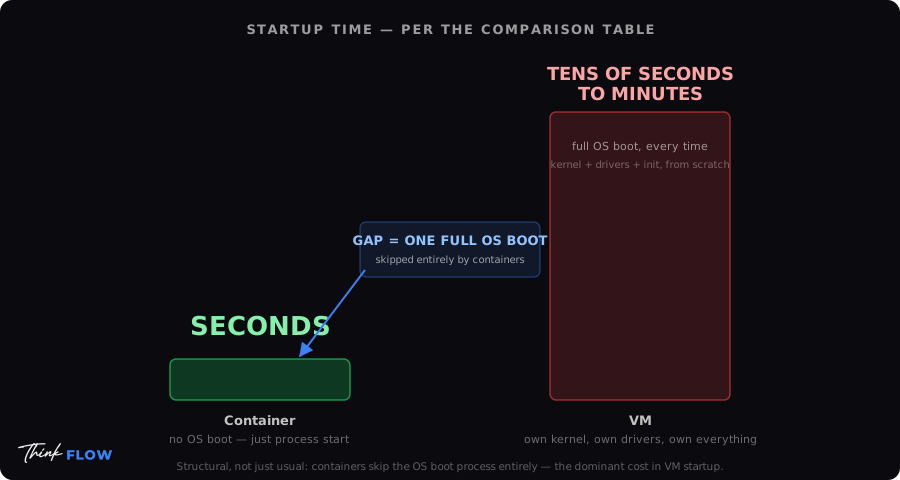
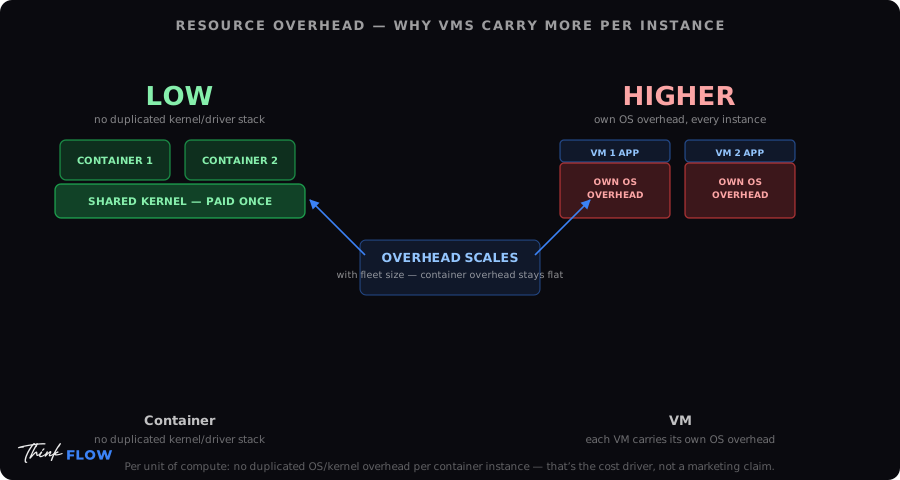
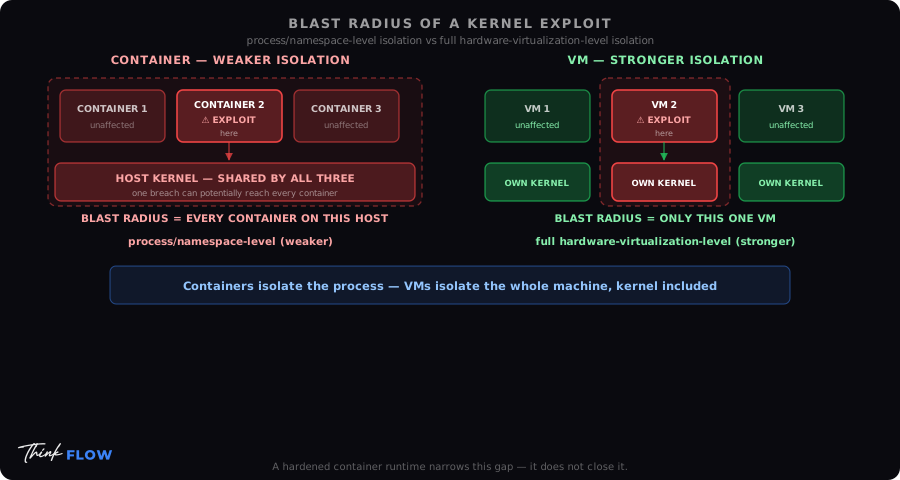
| Dimensiune | Container (kernel partajat) | VM (kernel propriu) | | :--- | :--- | :--- | | Pornire | Secunde — fără boot de OS, doar pornirea procesului | Zeci de secunde până la minute — boot complet de OS | | Overhead de resurse | Scăzut — fără stack de kernel/drivere duplicat | Mai mare — fiecare VM poartă propriul overhead de OS | | Granița de izolare | La nivel de proces/namespace (mai slabă) | La nivel complet de virtualizare hardware (mai puternică) | | Raza de impact a unui exploit de kernel | Poate afecta potențial kernel-ul gazdei, partajat de toate containerele | Limitată la kernel-ul propriu al acelei VM | | Cel mai potrivit pentru | Multe workload-uri de scurtă durată, de încredere, omogene | Mai puține workload-uri de lungă durată, mai puțin de încredere, sau eterogene |
Linia care contează cu adevărat pentru o decizie de securitate sau multi-tenancy e cea a izolării, nu cea a timpului de boot. Containerele sunt mai rapide tocmai pentru că partajează mai mult cu gazda. Exact ăsta e motivul pentru care izolează mai puțin. Nu poți obține garanția de izolare a unei VM cu viteza de kernel partajat a unui container; acest schimb nu există, indiferent cum e comercializat tooling-ul.
3. Cum alegi, de fapt
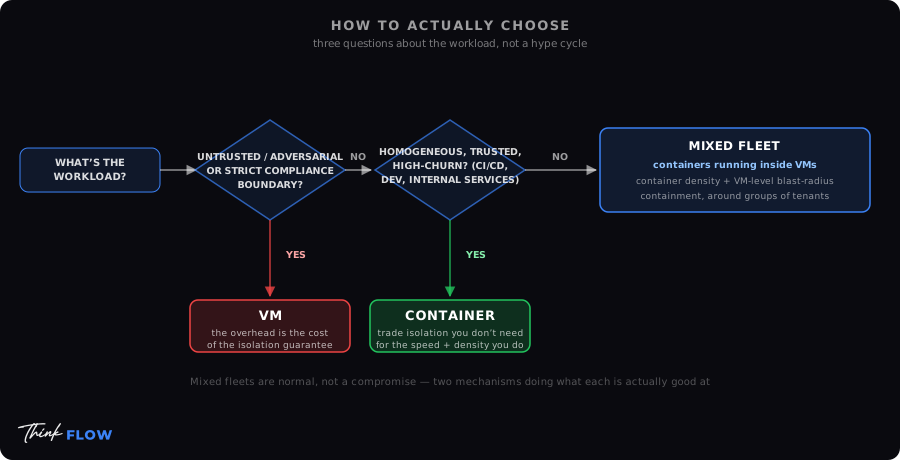
- Workload-uri de neîncredere sau adversariale, granițe stricte de conformitate, sau cerințe de tipul „asta nu trebuie niciodată să atingă kernel-ul gazdei” → VM. Overhead-ul e costul garanției.
- Servicii interne omogene, runners CI/CD, medii de dezvoltare, deployment-uri cu rotație rapidă → container. Renunți la o tărie de izolare de care nu ai nevoie, în schimbul vitezei și densității de care ai nevoie.
- Flotele mixte sunt normale, nu un compromis: multe setup-uri de producție rulează containere în interiorul unor VM-uri, tocmai ca să obțină densitatea la nivel de container împreună cu limitarea razei de impact la nivel de VM, în jurul unor grupuri de tenanți. Combinația asta nu e contradictorie: sunt două mecanisme care fac, fiecare, ceea ce se pricepe cu adevărat să facă.
Întrebări frecvente
-
Docker pornește mereu mai rapid decât o VM? Da, structural: containerele sar complet peste procesul de boot al OS-ului, care e costul dominant la pornirea unei VM.
-
Înseamnă asta că containerele sunt mereu mai ieftin de rulat? De obicei, per unitate de compute, pentru că nu există overhead de OS/kernel duplicat per instanță. Dar „mai ieftin” nu e aceeași întrebare cu „potrivit pentru cerința ta de izolare”.
-
Pot rula ambele în aceeași infrastructură? Da, containere-în-interiorul-VM-urilor e un pattern comun, deliberat, nu o soluție de rezervă.
-
Care dintre ele e mai sigură? Niciuna nu e „mai sigură” în abstract. O VM oferă, implicit, o graniță de izolare mai puternică împotriva unui workload ostil; un container runtime securizat corect îngustează, dar nu elimină diferența.
Conținut generat cu asistență AI și revizuit de Daniel Burcea.
Dezvăluire de Afiliere
Unele linkuri din acest articol sunt linkuri de afiliere. Dacă faci o achiziție prin ele, putem primi un comision fără costuri suplimentare pentru tine. Vezi dezvăluirea completă.
Daniel Burcea
Arhitect de Sisteme AI. Construiește infrastructură AI privată din 2025.Citește mai mult →