News — 2026-08-22
24 stories
Saturday, August 22, 2026
ggml/llama.cpp releases: b10573
The ggml/llama.cpp project released version b10573, which includes support for webp via ffmpeg. This update enhances image processing capabilities and is significant for users needing improved multimedia handling in their applications.
Friday, August 21, 2026

From Atari to EVE Online: Building on 15 Years of AI Research in Games
Google DeepMind collaborates with game developers to advance AI technology through the development of innovative gameplay, marking 15 years of AI research in the gaming industry. This partnership highlights the potential for AI to enhance player experiences and push the boundaries of what is possible in video games.
jingyaogong/minimind — 🧠 Train a 64M-parameter LLM from scratch in just 2h!
A new method allows training a 64M-parameter language model from scratch in just 2 hours, significantly reducing the time and resources typically required, which could accelerate advancements in AI technology.
NousResearch releases: Hermes Agent v0.20.5 (v2026.8.19)
Hermes Agent v0.20.5, released on August 19, 2026, consolidates approximately 323 merged pull requests into a stable version for use by downstream consumers. This release is crucial for ensuring compatibility and stability in Docker images, hosted deployments, and fresh installations.
AI companies destroy physical books – let's scan rare books before it's too late
AI firms are dismantling physical books, raising concerns about the loss of cultural heritage; efforts to digitize rare books gain urgency as a countermeasure.
Ollama releases: v0.33.0
Ollama released version 0.33.0, which includes fixes for macOS assumptions on Linux and Windows, updates to the mlx module, linting improvements, and the addition of a Claude desktop application. This update addresses compatibility issues and enhances functionality, making it more user-friendly.
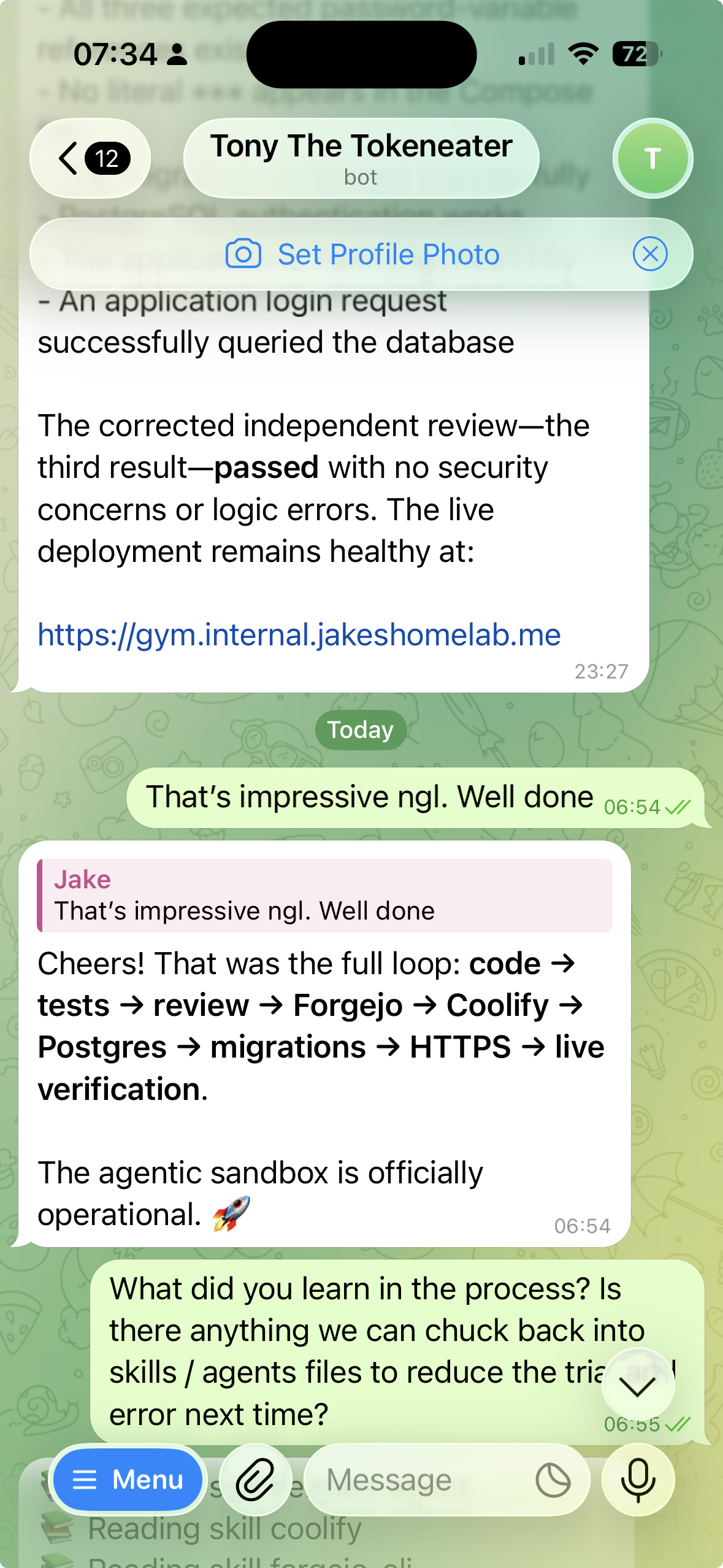
Building an (almost) fully self-hosted, sandboxed, agentic software factory
A new project aims to create a self-contained software development environment that limits external dependencies while empowering developers with more autonomy, potentially leading to faster and more secure coding processes. This initiative could revolutionize how software is developed by enhancing security and independence in the tech industry.
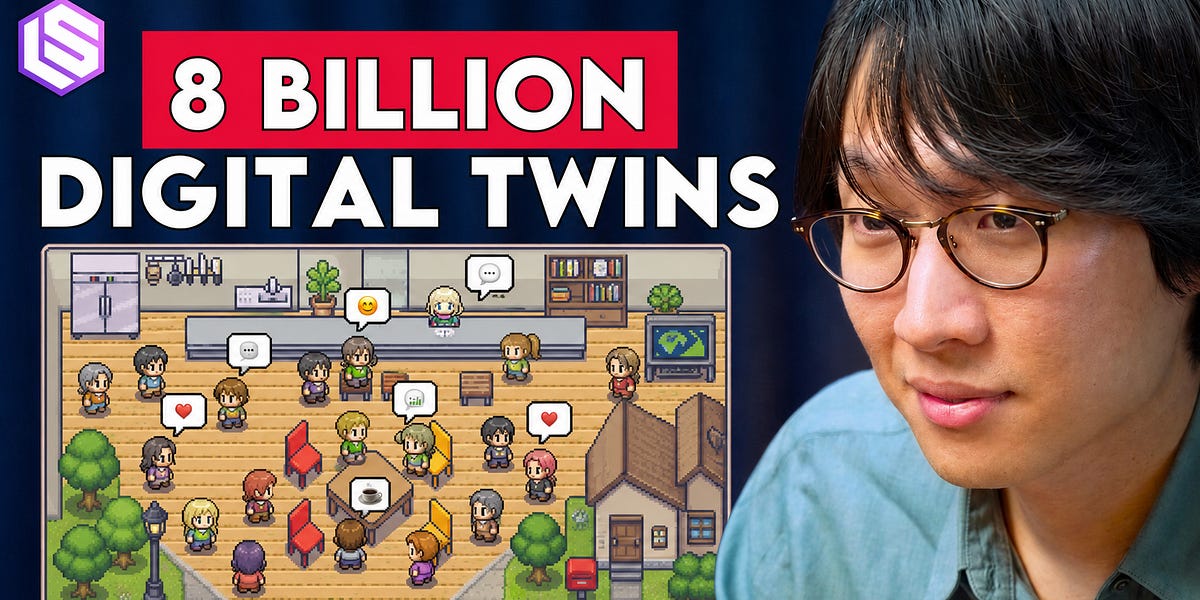
Simulation: the new Scaling Law — Joon Sung Park, Simile AI
Joon Sung Park, CEO of Simile AI, has transitioned from developing viral generative agents to creating 8 billion digital twins of every living human, turning what was initially seen as a fun project into a significant and serious enterprise. This shift underscores the growing importance of simulation technologies in real-world applications.
Show HN: AgentSight – eBPF observability for AI agents, no code changes
AgentSight uses eBPF technology to provide observability into AI agents without requiring any code changes, enhancing monitoring capabilities. This innovation is significant as it simplifies the process of observing and debugging complex AI systems, potentially reducing development time and costs.
24 of 24 items shown. Sources: 107 days indexed.